


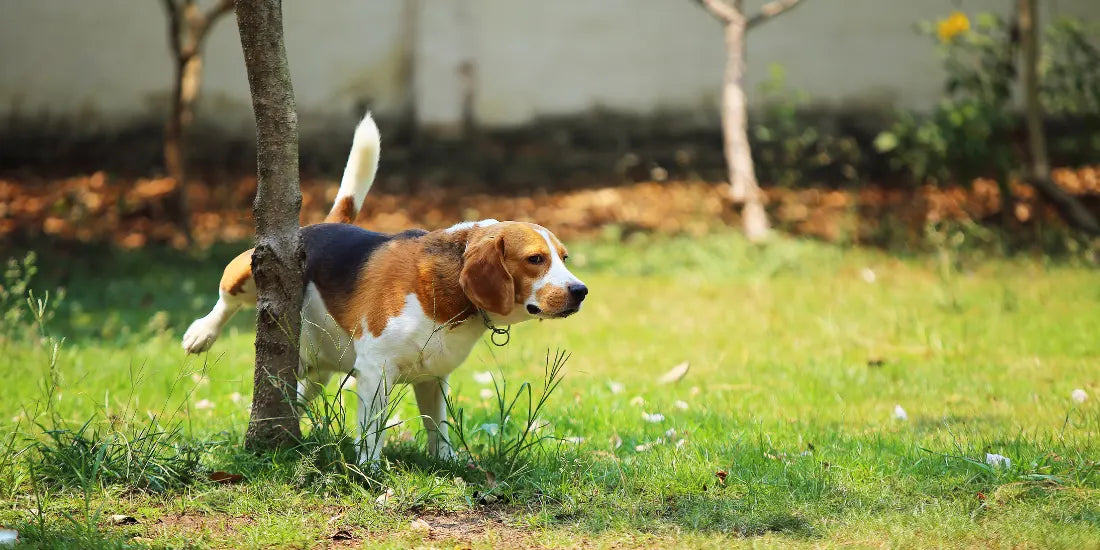
Why Is My Dog Peeing So Much? Understanding the Causes and What You Should Do
|
|
Time to read 5 min

|
|
Time to read 5 min
If you’ve found yourself mopping up more puddles than usual or letting your dog out to wee far more often than normal, you're probably wondering: "Why is my dog peeing so much?" While the occasional accident or increase in urination may be harmless, frequent urination—also known as polyuria—can sometimes point to an underlying issue.
Let’s explore the reasons behind this behaviour, how to spot warning signs, and what steps you should take as a responsible pet owner.
Before assuming something’s wrong, it’s important to understand what’s normal for your dog. Most healthy adult dogs urinate between three to five times per day . However, this can vary based on:
Size and breed
Diet and water intake
Age
Weather and activity levels
For example, a small, highly active terrier on a wet food diet may need to wee more often than a large, laid-back Labrador on dry kibble. Puppies and elderly dogs also tend to urinate more frequently due to smaller bladders or reduced control.
If your dog’s routine has noticeably changed—such as suddenly needing to wee every hour, having accidents indoors, or waking at night to go out—it’s time to investigate.
Sometimes, the cause is simple and harmless. Here are a few everyday reasons why your dog might be peeing more:
If your dog has been more active, it’s warm outside, or they’re on a saltier diet, they may be drinking more—and naturally needing to wee more.
Switching to wet food or higher-sodium treats can trigger more thirst and urination. Always transition foods gradually and monitor your dog’s response.
Some medications, such as corticosteroids (commonly prescribed for allergies or inflammation) or diuretics (used in heart conditions), can increase urination as a side effect.
Puppies are still learning to hold their bladder, and senior dogs may develop incontinence or less efficient kidney function with age.
Excitement, anxiety, or changes in routine (like moving house or a new pet) can lead to urination due to stress or submissive behaviour.
If you’ve ruled out routine or behavioural changes, it’s time to consider medical possibilities. Frequent urination can be a symptom of an underlying health issue.
UTIs are common in dogs, particularly females. Symptoms include:
Frequent urination in small amounts
Straining or discomfort when peeing
Blood in the urine
Licking around the genitals
Accidents in the house
UTIs are usually treatable with antibiotics, but they must be diagnosed by a vet.
Diabetes can cause dogs to drink and urinate excessively. Look for other signs such as:
Weight loss despite a good appetite
Lethargy
Cloudy eyes (cataracts)
Sweet-smelling breath
Untreated diabetes can lead to severe complications, so early diagnosis is vital.
The kidneys help concentrate urine. When they’re not functioning well, urine becomes more dilute, and your dog may need to urinate more often. Signs include:
Increased thirst
Vomiting or diarrhoea
Bad breath (ammonia-like)
Loss of appetite
Kidney issues are more common in older dogs but can affect any age.
This hormonal disorder involves an overproduction of cortisol and can cause:
Increased thirst and urination
Hair thinning or hair loss
Panting
Pot-bellied appearance
Recurrent infections
It’s typically seen in middle-aged to older dogs and may require long-term treatment.
Stones in the bladder can cause irritation, frequent urination, and sometimes blockages. Symptoms are similar to a UTI but may also include:
Visible discomfort when urinating
Licking the area frequently
Blood in the urine
Some stones can be dissolved with a prescription diet, while others require surgical removal.
While some causes of frequent urination are minor, others can be urgent. Seek immediate veterinary attention if your dog:
Is unable to pass urine (can indicate a dangerous blockage)
Appears in pain or is crying when trying to urinate
Has blood in the urine
Is lethargic, vomiting, or refusing food
Even if symptoms seem mild, it’s always worth a call to the vet. A urine test, blood work, or ultrasound can quickly uncover the cause.
While you're waiting for your vet appointment or monitoring the situation, here are a few helpful steps:
Track symptoms : Note how often your dog wees, any changes in colour or smell, and other signs like thirst, appetite, or accidents.
Keep water available : Never restrict your dog’s water intake—it can lead to dehydration and worsen underlying conditions.
Clean messes calmly : Avoid scolding your dog for accidents. If there’s a medical cause, they’re not doing it on purpose.
Use pet-safe cleaners : This helps remove odours and reduces the chance of repeat accidents in the same spot.
While it might seem like a minor nuisance at first, frequent urination in dogs should never be brushed off . It’s your dog’s way of communicating that something may be off, whether it’s as simple as drinking more on a hot day or a sign of a more serious health concern. As pet parents, it’s up to us to pay attention, investigate gently, and act with care.
The good news is that most causes of increased urination—whether behavioural or medical—can be managed or treated effectively once identified. The sooner you address it, the better the outcome is likely to be for your dog. From routine check-ups and urine tests to small changes in diet or routine, a proactive approach often makes all the difference.
It’s also worth remembering that dogs, like humans, can have off days or temporary fluctuations in habits. One day of peeing more than usual might not mean disaster—but if it becomes a pattern, trust your instincts. You know your dog better than anyone, and noticing the little things can prevent much bigger problems later down the line.
So if you’ve been asking, “Why is my dog peeing so much?”—don’t ignore it. Observe, document, and consult your vet. Your dog relies on you to notice what they can’t say, and by being attentive, you’re giving them the best chance at a long, healthy, and happy life.
After all, a well-cared-for dog is a content one—and that’s the ultimate goal for every loving owner.
Yes, anxiety or major changes (new home, new baby, fireworks) can lead to temporary increases in urination, especially in sensitive or submissive dogs.
No—always allow free access to fresh water. Excessive peeing might be a sign of excessive drinking, but the cause needs to be addressed, not the symptom.
Not necessarily. It can result from environmental or behavioural factors. However, any sudden or significant change should be checked by a vet.


