


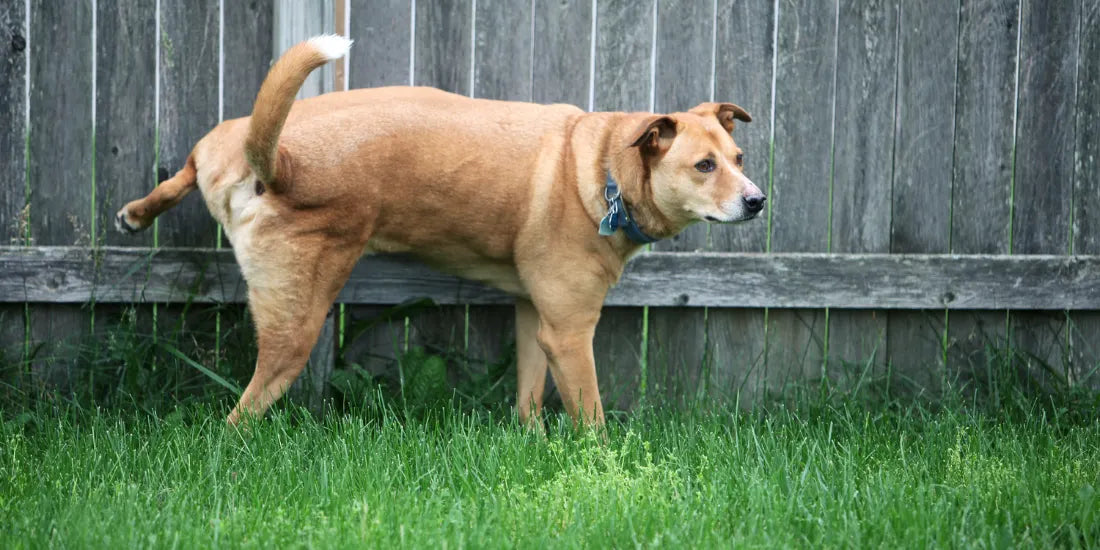
What Does The Colour Of My Dog's Wee Mean?
|
|
Time to read 4 min

|
|
Time to read 4 min
As a loving dog owner, you're likely in tune with your pup's habits — from their appetite to their energy levels. But have you ever stopped to notice the colour of your dog’s wee? While it might not be the most glamorous part of pet care, the colour of your dog’s urine can actually tell you a lot about their health. In this article, we’ll break down what different wee colours mean, when to worry, and how to help keep things looking just right.
Just like in humans, urine is a window into your dog's internal health. It reflects hydration levels, kidney function, potential infections, and more. Noticing a sudden change in colour, smell or frequency could be your dog’s way of saying, “I need a vet visit.”
This is the ideal wee colour. It means your dog is well-hydrated and their kidneys are functioning normally. If your pup’s wee consistently falls within this range, you're probably doing a great job keeping them hydrated.
If your dog’s urine is darker than usual, it could be a sign they’re not drinking enough water. Try offering more frequent drinks, especially in hot weather or after exercise.
While staying hydrated is essential, constantly clear wee could indicate your dog is drinking too much water — sometimes a sign of an underlying issue like diabetes or kidney problems. If this continues, it’s best to get your vet’s opinion.
Blood in your dog’s wee can be alarming. It might be due to a urinary tract infection (UTI), bladder stones, or even trauma. In some cases, it could signal something more serious like cancer. Either way, blood in the urine always warrants a vet visit.
Orange wee could be a sign of significant dehydration or problems with the liver or bile duct. If your dog’s wee has a rusty hue and doesn’t return to normal within a day, book in with your vet.
This may indicate severe dehydration, muscle breakdown (common after intense exercise), or blood breakdown in the urine. It's rare but serious and needs immediate veterinary attention.
Very rare, but sometimes caused by certain medications or toxins. If your dog’s wee looks blue or greenish, seek vet help straight away.
Worried your dog’s wee isn’t quite the colour it should be? Here are some helpful ways to support their urinary health and get that wee looking spot on:
Keep their water bowl clean and full at all times.
Add a splash of low-sodium chicken broth to their water if they need encouragement.
Use a pet-safe water fountain — many dogs love the running water!
Wet dog food, bone broth, or fresh fruit and veg like cucumber or watermelon (in moderation) can help increase hydration.
Always check that the foods you offer are dog-safe.
Holding in wee for too long can lead to concentrated urine and even infections.
Make sure your dog has plenty of opportunities to relieve themselves, especially after eating, drinking, or napping.
A balanced diet supports not just digestion but urinary health too.
Avoid low-quality foods with too many fillers, salts, or artificial additives.
In hot weather or after exercise, dogs can get dehydrated quickly.
Offer small, frequent drinks and avoid too much intense activity in the heat.
Cranberry extract, D-mannose, or vet-approved urinary health supplements may help, especially for dogs prone to UTIs.
Always consult your vet before adding anything new to their diet.
Besides colour, keep an eye on:
Smell : Strong or foul-smelling urine can be a sign of infection.
Frequency : If your dog is going more or less often, take note.
Straining or discomfort : Watch for signs of pain during urination.
If your dog’s wee is consistently abnormal in colour, has a strong odour, or they’re showing other signs of discomfort or illness, it’s always best to play it safe and consult your vet. Early detection often makes treatment much easier and more effective.
It might seem like a small thing, but keeping an eye on your dog’s wee is one of the simplest yet most powerful ways to keep tabs on their health. Just a few seconds of observation each day can help you spot early signs of dehydration, infection, or other issues — sometimes before any other symptoms appear.
If your pup’s wee is a healthy pale yellow, give yourself a pat on the back — you’re doing brilliantly! If it’s a bit off-colour, don’t panic. Many wee issues are minor and easily solved with a few changes to diet, hydration, or daily routine.
The important thing is to stay observant, trust your instincts, and never hesitate to contact your vet if something doesn’t feel right. After all, our dogs can’t speak up when something’s wrong — so it’s up to us to be their health detectives.
Because at the end of the day, happy, hydrated dogs wee well. And when your dog’s feeling good on the inside, you’ll see it in every tail wag, belly flop, and muddy adventure.


